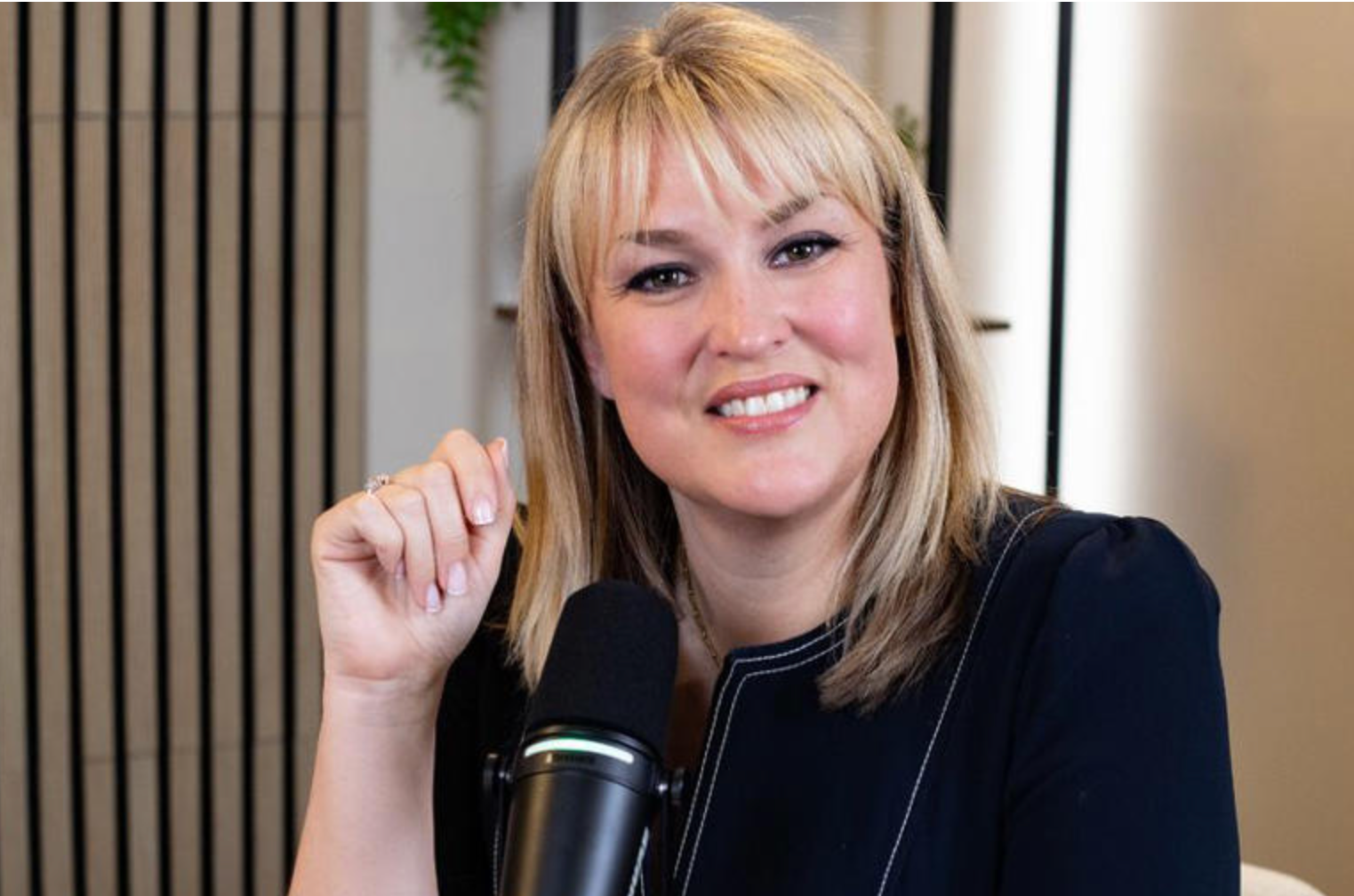
Sara Davies recently made an observation that resonated with a lot of founders: as your business becomes more successful, the encouragement from people around you can actually reduce. It's a slightly uncomfortable truth — and it's worth understanding why.
Sara Davies — founder of Crafter's Companion and a familiar face from Dragons' Den — recently shared an observation on TikTok that caught our attention. The more successful you become in business, she noted, the less praise and encouragement you may actually receive. It's the kind of thing that sounds counterintuitive until you've experienced it. Then it sounds exactly right.
When you're starting, everybody's cheering
The early stages of building a business are, in many ways, the most socially rewarding. An idea. A first customer. A first sale. Leaving a job to go it alone. These are milestones people understand instinctively — they're relatable, they're brave, they're the kind of thing that earns a genuine 'good for you' from almost anyone.
People rally around beginnings. There's something universally appealing about someone taking a risk, and most people — even those who would never do it themselves — find it easy to cheer for someone who is.
Then something changes
£500 becomes £5,000. Ten customers become hundreds. The side hustle becomes a proper company. The spare room becomes premises. The founder employs people. The business becomes visibly successful.
And sometimes — not always, but often enough that it's worth naming — the encouragement becomes quieter. The congratulations less effusive. Other business owners a little more reserved. Friends who once asked about the business stop asking quite so much.
This is what Sara Davies was pointing at. And it's a more interesting phenomenon than it might first appear.
It isn't necessarily jealousy
The easy explanation — the one that circulates endlessly on social media — is that people are simply jealous of your success. 'They're just haters.' 'They don't want to see you win.' This framing is satisfying in the moment, but it's usually too simple, and it tends to make founders feel superior rather than understood.
The reality is more nuanced. Someone can be genuinely pleased for you while simultaneously finding your success difficult to sit alongside their own circumstances. Both things can be true at the same time. A friend who is struggling with their own career, their own finances, or their own sense of direction isn't necessarily jealous of you — they may simply find the contrast uncomfortable. That's a human response, not a character flaw.
There are other explanations worth considering. People may assume that once you're successful, you no longer need encouragement — that you've arrived somewhere, and praise is therefore unnecessary. Success can also normalise itself: what was once remarkable becomes expected, and the bar for what earns a reaction quietly rises. Your success may prompt someone to reflect on their own progress in ways that feel uncomfortable for them, and the easiest response is to say less.
Other business owners can be different too
Sara's observation extended to other people in business — and this is perhaps the most interesting part. Someone who once saw you as a fellow person trying to get started may eventually see you as competition, or as someone operating in a different league, or simply as someone who no longer needs the kind of support they once offered.
Perceived peer groups shift as businesses grow. The conversations that felt natural at the beginning — swapping notes on getting your first clients, figuring out pricing, managing the anxiety of early-stage uncertainty — may no longer feel like common ground. That's not hostility. It's just that you've moved, and the distance can feel strange from both sides.
The danger for the founder
Here's where it becomes genuinely important. If you have — consciously or not — been using praise as your primary measure of progress, the quiet can make success feel strangely unsatisfying. You've built something real, but the feedback loop you relied on has changed. The applause has thinned. And if you haven't noticed that you were depending on it, the silence can feel like failure.
This is worth sitting with. A business cannot be measured by applause. The metrics that actually tell you whether something is working are quieter and less social: customers returning without being asked. Recommendations from people who have no reason to flatter you. Improving margins. Stronger cash flow. Growing confidence in your own decisions. Fewer fires to put out. More choice over how and when you work. The gradual, unglamorous accumulation of something sustainable.
None of those things trend on social media. None of them generate the kind of visible reaction that a first sale or a launch announcement does. But they are the real evidence of progress.
Perhaps success needs a different support network
As businesses grow, founders often find that they need different people around them — not because their existing relationships are inadequate, but because different stages create different conversations. Peers who are navigating similar challenges. Mentors who have been through the next stage. Professional networks where the context is shared and the questions are specific.
This isn't about replacing old friendships. It's about recognising that the support you need at the beginning of building something is genuinely different from the support you need once it's working. Both are legitimate. They're just not always the same people.
Image credits & further reading
- Sara Davies — original TikTok—Watch Sara's original clip on TikTok
- Mind Your Business with Sara & Helen—Listen to the podcast
What can a small business learn from this?
If the applause has become a little quieter, it doesn't necessarily mean you're doing anything wrong. Sometimes it simply means you've travelled further than you realise — far enough that the view has changed, and the people cheering you on at the start are no longer standing where you left them.
Useful next step
Explore the Finance Handbook
From Business Handbook